Posts

Showing posts with the label thermal transfer label

How Do Thermal Transfer Label Printer Work?

Image
Thermal Transfer Label Printer  uses heat instead of ink to create labels and signs on paper, tape, tape, or other materials. Thermal printing (or direct thermal printing) is a process that produces a printed image by selectively heating thermal paper as it passes through a thermal print head. The thermal paper coating turns black in hot spots, producing the desired image. Thermal transfer printing, on the other hand, uses hot tape to produce durable and long-lasting images. This process is known for producing highly durable, smudge-resistant prints. As a result, thermal printers have become a popular choice for producing durable labels and easy-to-scan barcodes, as well as receipts, tickets, wristbands, coupons, name cards, and more. Stickers and logos are everywhere in our daily and professional life. From homes to offices, stores, warehouses, and other facilities, thermal labels are essential in many areas of business, including transportation, logistics, retail, healthcare, and...
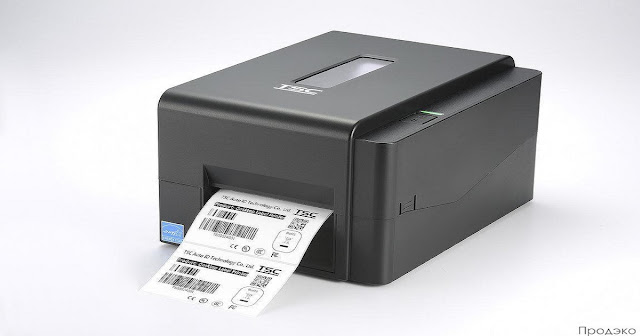
Working Of A Thermal Transfer Label Printer

Image
Thermal printers, including direct thermal and Thermal Transfer Label Printer , have been in common use since the mid-1970s. Sato was the first to release a barcode label printer. Today, there are many options for printing labels, including jet, laser, and impact printers. Most labels on the market are single-color, and some are single-color or multi-color, but industry standards consider thermal printers to be the best. Introduction to Barcodes Barcodes consist of spaces and lines and are designed to be read quickly and cleanly by barcode readers. Most Thermal Transfer Label Printer print small square dots with straight edges that are read by barcode scanners. Most existing thermal printers offer a lower resolution of 203 dots per inch, but most label printers will work. 203 dots/inch equals 8 dots/mm, and 305 dots/inch equals 12 dots/mm. Therefore, 305 dots per inch gives good results for the label format. Few printer companies today offer 400 dots per inch, and recently introduced ...